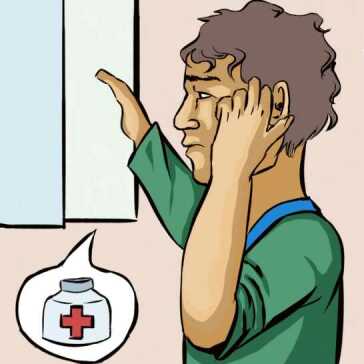
汤姆牙疼,非常疼。
Tom has a toothache. His tooth hurts very much.
Tom a mal à la dent. Sa dent lui fait très mal.
他得去看牙医,但首先他需要一些药来止痛。
He needs to see his dentist, but first he needs something for the pain.
Il a besoin de voir son dentiste, mais d’abord, il lui faut quelque chose pour la douleur.
他开车去了最近的药店。
He drives to the nearest pharmacy.
Il va à la pharmacie la plus proche.
“我牙疼,”他说,“您有什么药能治吗?”
“I have a toothache,” he says. “Do you have anything for that?”
“J’ai mal à la dent,” dit-il. “Avez-vous quelque chose pour cela ?”
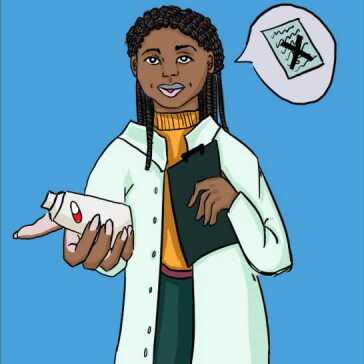
“有的,有止痛药。不需要处方单。”
“Yes, here are some painkillers. You don’t need a prescription for these.”
“Oui, voici des anti-douleurs. Vous n’avez pas besoin d’ordonnance pour ceux-ci.”
“谢谢,多少钱?”
“Thank you. How much do they cost?”
“Merci. Combien coûtent-ils ?”
“9欧元。但你还是应该去看牙医。”
“They cost nine euros. But you should see a dentist.”
“Ils coûtent neuf euros. Mais vous devriez voir un dentiste.”
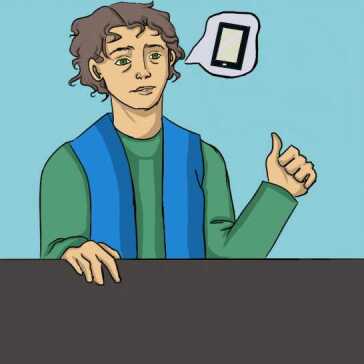
“好的,我明早会联系我的牙医。”
“Okay, I will call my dentist tomorrow morning.”
“D’accord, j’appellerai mon dentiste demain matin.”
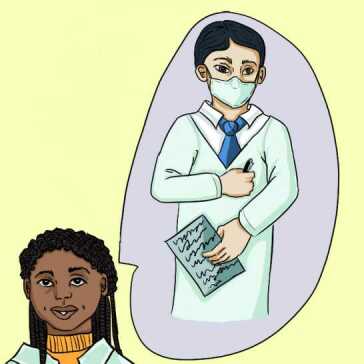
“如果你需要药效更强的药,就必须有牙医或医生的处方。”
“If you need stronger medicine, you will need to get a prescription from your dentist or doctor.”
“Si vous avez besoin d’un médicament plus fort, vous aurez besoin d’une ordonnance de votre dentiste ou médecin.”